Toxics Release Inventory
The Toxics Release Inventory (TRI) for 2017 details toxic chemical releases and pollution prevention activities reported by industrial and federal facilities in the United States. Each record provides facility name and location, chemical identity, quantities released to air, water, and land; waste management methods; and pollution prevention activities.
| Namelegal entity | Alternate Namelegal entity | Cityaddress | Stateaddress | ZIP Codeaddress | Street Addressaddress | Yeartemporal | Tri Facility IDregistration | Frs IDregistration | Countyaddress | Bia Codegeographic | Tribegeographic |
|---|---|---|---|---|---|---|---|---|---|---|---|
| MPLX TERMINALS LLC - FLINT MI TERMINAL | MARATHON PETROLEUM CORP | MOUNT MORRIS | MI | 48458 | G-6065 N DORT HWY | 2017 | 48458FLNTMG6065 | 110009000000 | GENESEE | ||
| SENSIENT COLORS LLC | SENSIENT TECHNOLOGIES CORP | SAINT LOUIS | MO | 63106 | 2515 N JEFFERSON AVE | 2017 | 63106WRNRJ2526B | 110036000000 | ST LOUIS (CITY) | ||
| GEORGIA PACIFIC PANEL PRODUCTS LLC/MOUNT JEWETT MD | KOCH INDUSTRIES INC | MOUNT JEWETT | PA | 16740 | 149 TEMPLE DR | 2017 | 16740LLGHNRD1HU | 110024000000 | MCKEAN |
Environmental Liability Screening in Commercial Lending
A commercial bank underwriter evaluating a loan application from an industrial manufacturer checks whether the applicant or its parent company has reported releases of carcinogenic or Clean Air Act chemicals, and in what quantities, to estimate potential Superfund or regulatory liability that could impair collateral value.
Vendor Environmental Due Diligence in Supply Chain Onboarding
A procurement team at a consumer goods company vetting a new chemical supplier cross-references the supplier's facilities against TRI records to determine which toxic substances are released at each site and whether any releases involve metals or carcinogens that could create reputational or regulatory exposure in the buyer's supply chain.
Property and Casualty Insurance Underwriting for Industrial Sites
An environmental insurance underwriter assessing a policy application for an industrial facility uses the facility's TRI history to identify which regulated chemicals have been released to air, water, or land, and whether any are classified as carcinogens or metals, to set coverage limits and exclusions for pollution liability.
 EPA Facility Registry: RCRA Hazardous Waste FacilitiesU.S. Environmental Protection Agency
 EPA Enforcement and Compliance History Online: Hazardous Waste Sites Data SetU.S. Environmental Protection Agency
 State Environmental Policy Act RegisterState of Washington
 EPA Facility Registry: Biennial ReportersU.S. Environmental Protection Agency
 Enforcement ActionsU.S. Environmental Protection Agency
 EPA Enforcement and Compliance History Online: FacilitiesU.S. Environmental Protection Agency
 EPA Facility Registry: National Priorities ListU.S. Environmental Protection Agency
 Hazardous Waste SitesState of California
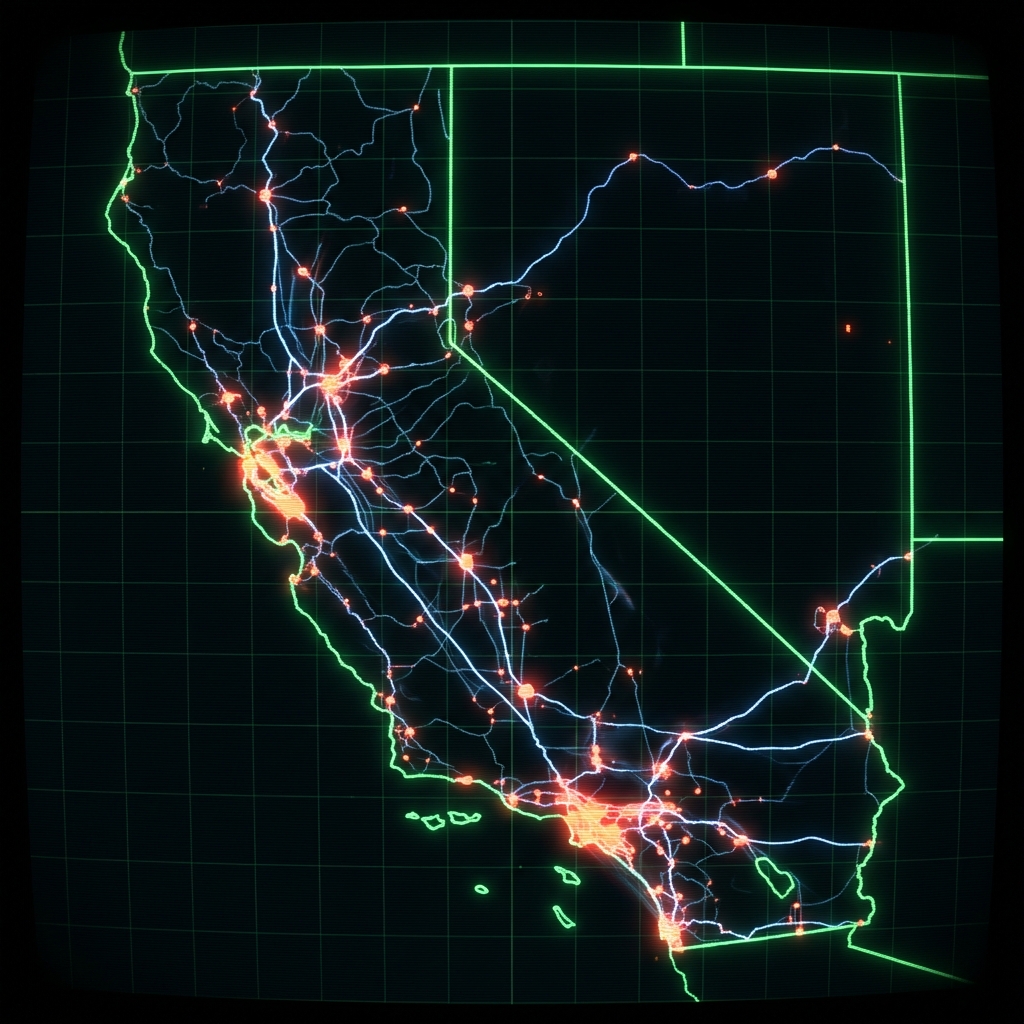 Hazardous Waste ID NumbersState of California
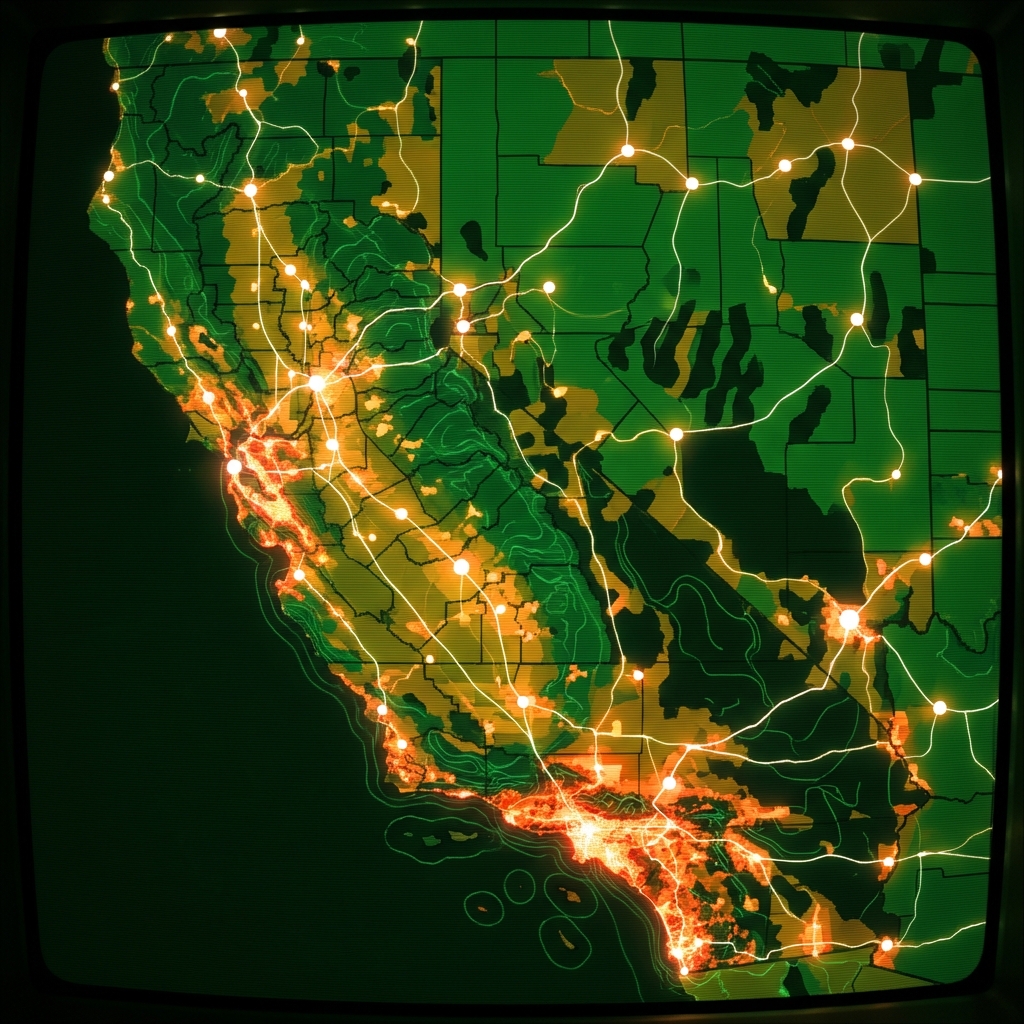 Draft Terrestrial Landscape Intactness for 2026-2027 Integrated Resource PlanState of California
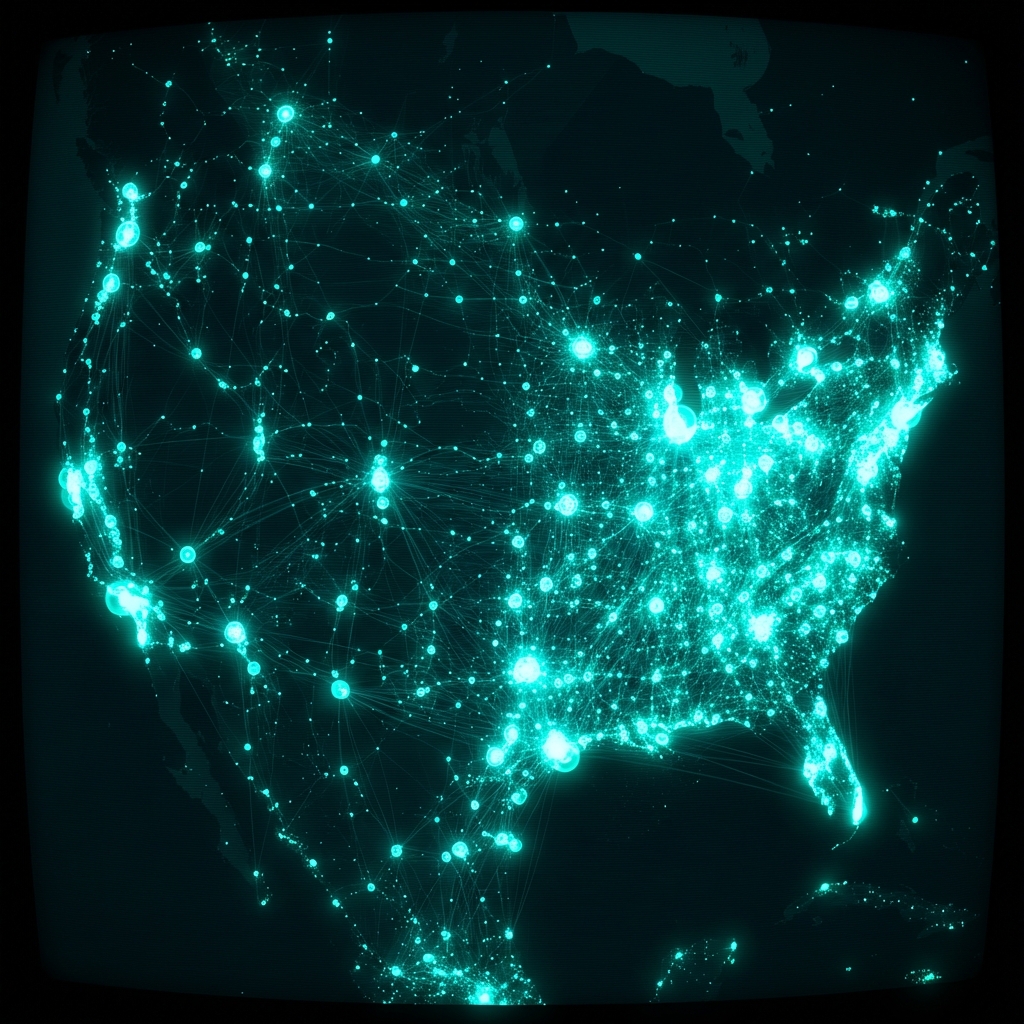 EPA Integrated Compliance Information System: Air FacilitiesU.S. Environmental Protection Agency
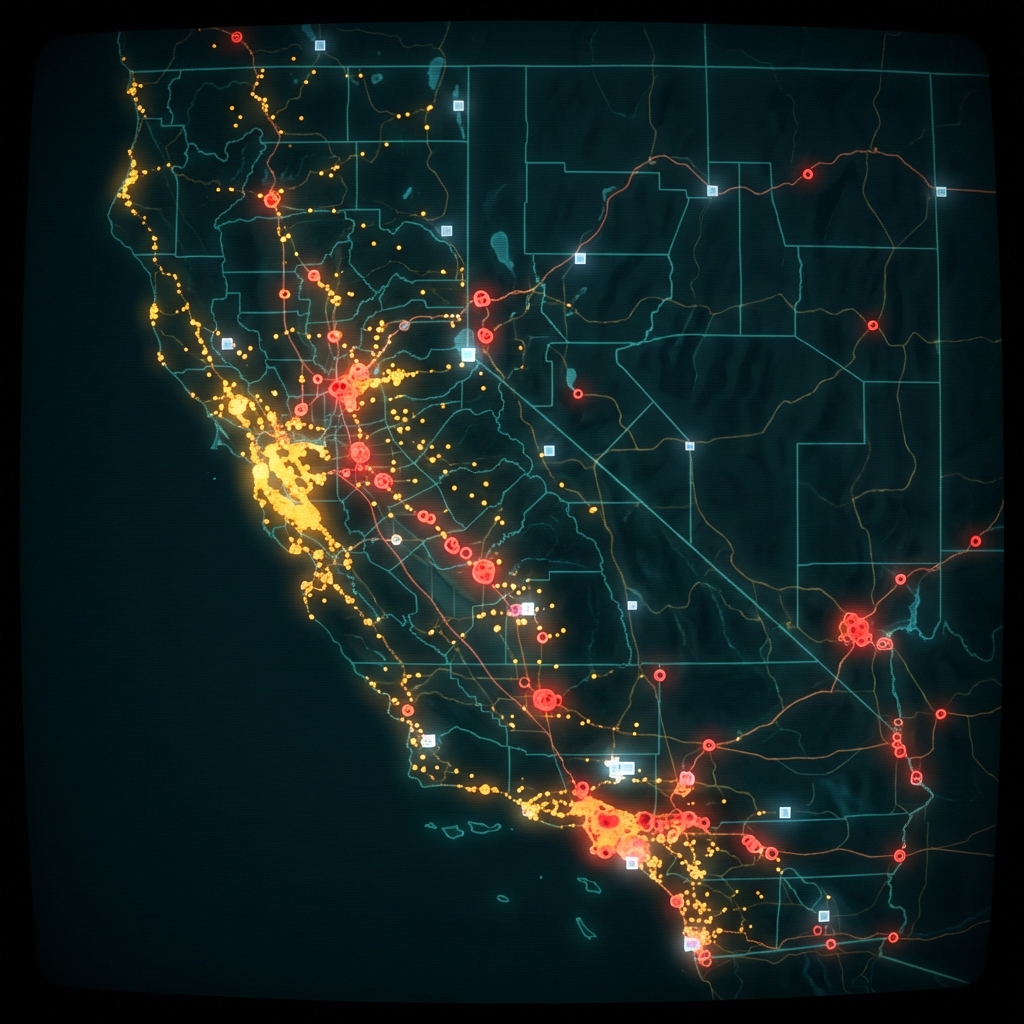 Immigration and Customs Enforcement SitesState of California
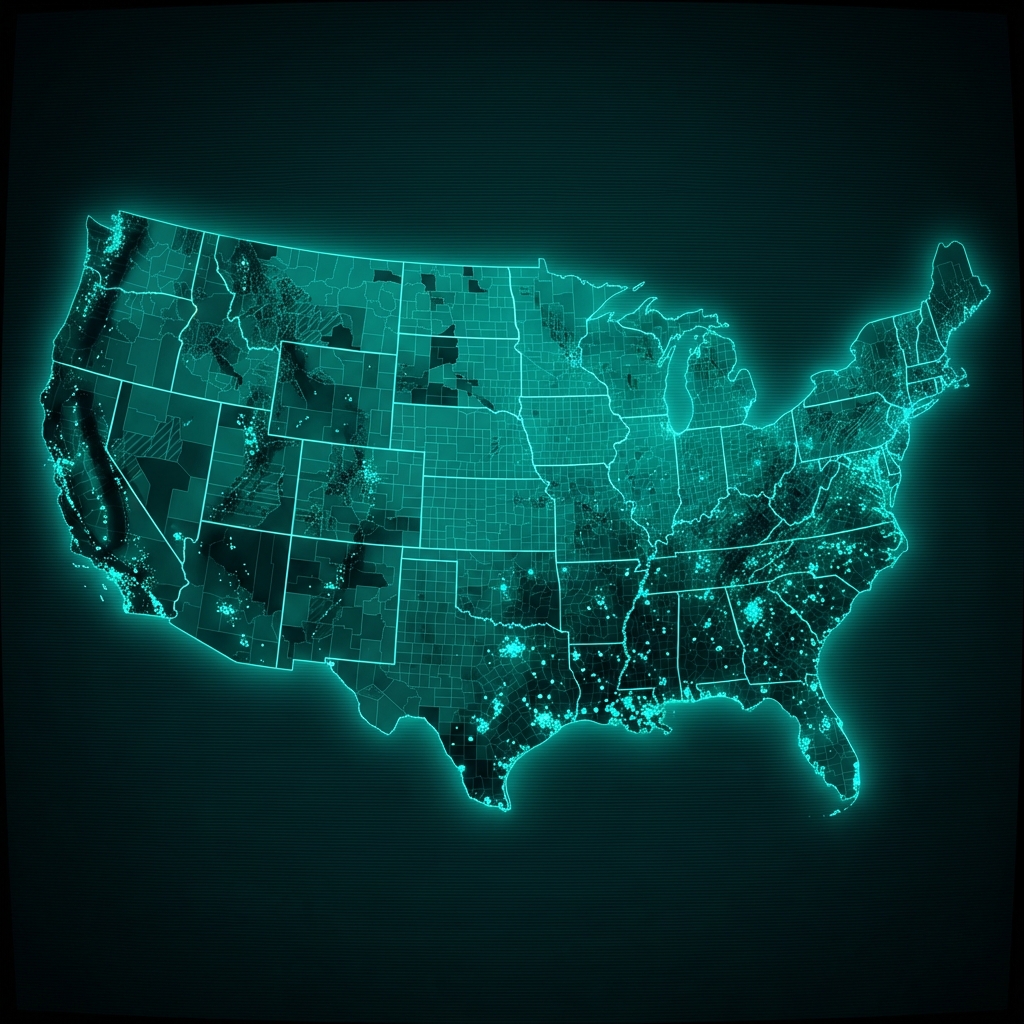 Natural Hazard Vulnerability and RCRA Site LocationsU.S. Environmental Protection Agency
 Comments on Air Toxics Benchmarks ReviewState of Oregon
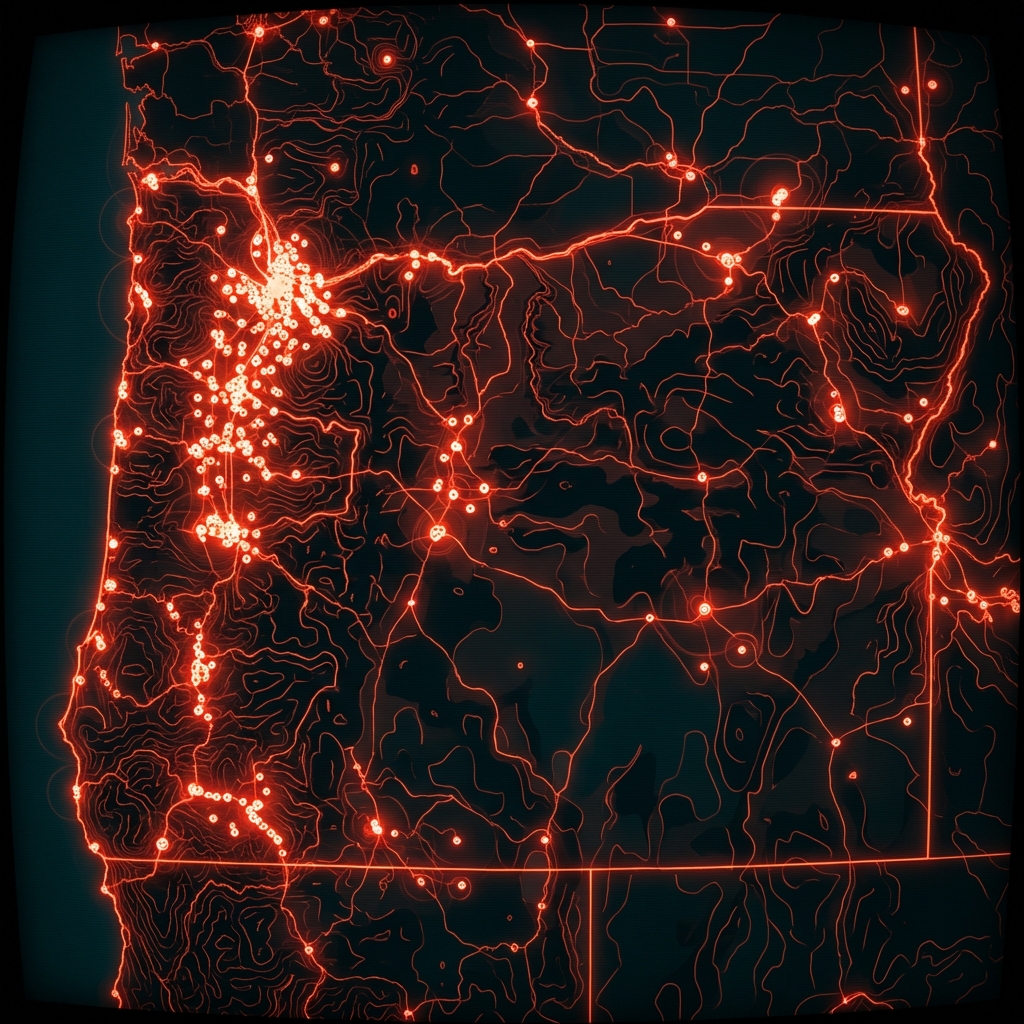 Hazardous Materials Storage SitesState of Oregon
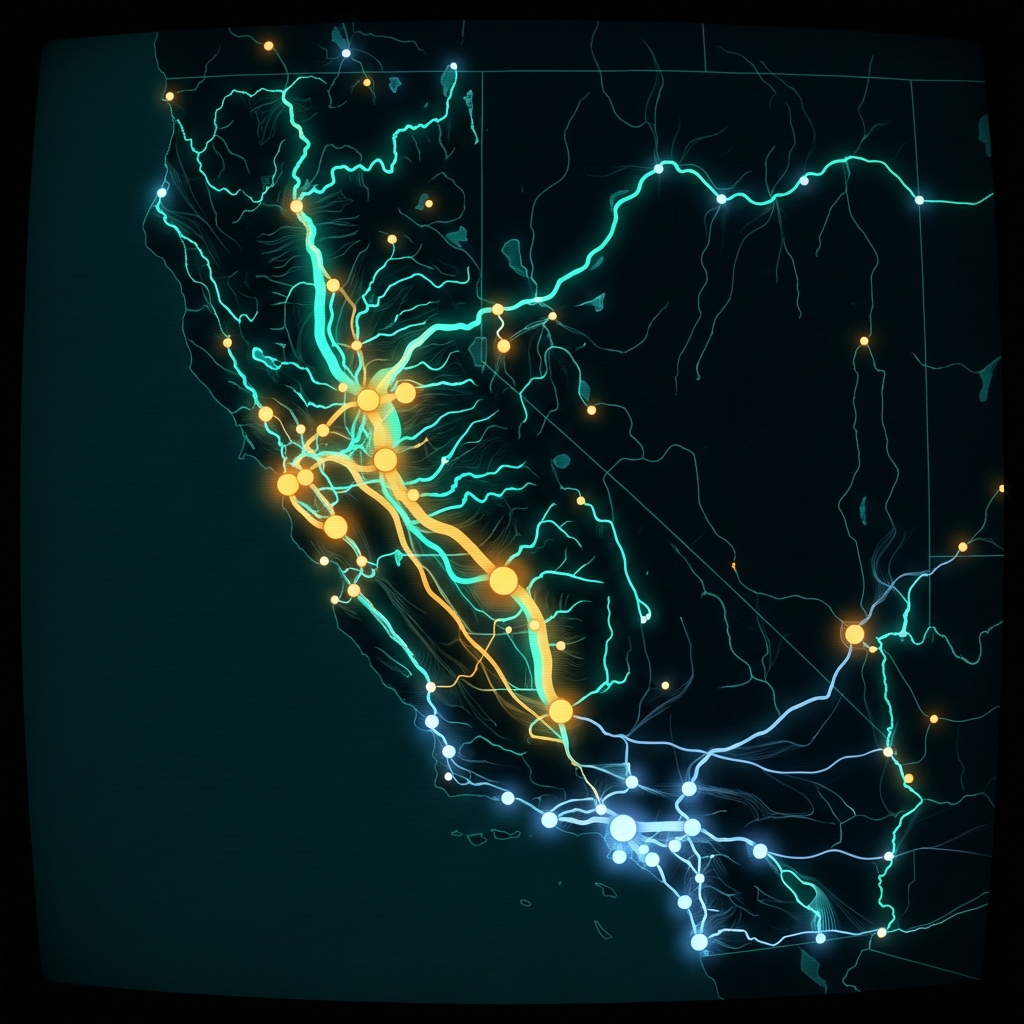 Water Rights Annual ReportsState of California
 Decentralized Water Reuse Scenarios (San Francisco)U.S. Environmental Protection Agency
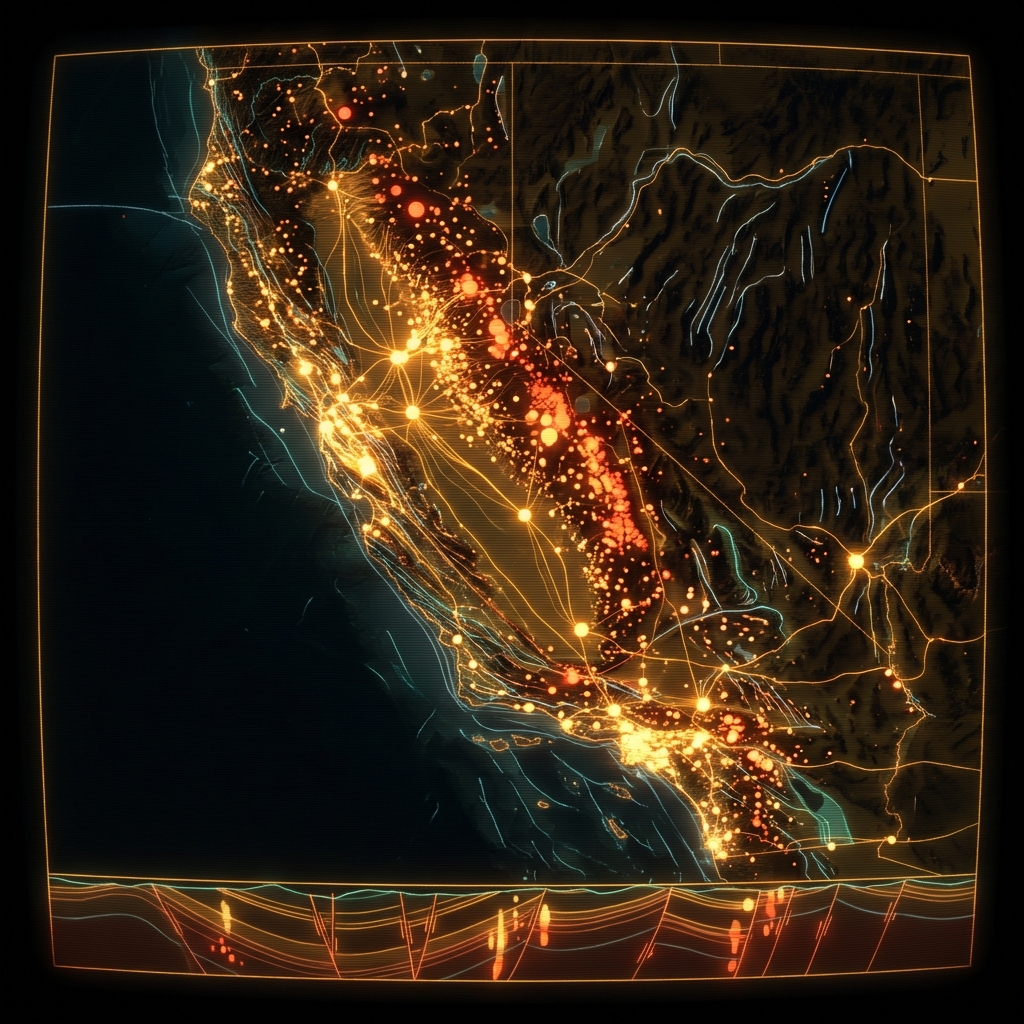 Mines (Division of Mining and Reclamation)State of California
 State Facilities ListState of Missouri
 Public Records Requests (Department of Environmental Quality)State of Oregon