
Wastewater Surveillance
Wastewater surveillance data from the Cal-SuWers network tracks infectious disease pathogens, including SARS-CoV-2, influenza, RSV, mpox, and norovirus, at monitoring sites across California. Each record includes the pathogen detected, its concentration in wastewater, the sample collection date, and the monitoring site location.
| Namelegal entity | Alternate Namebrand | Cityaddress | Stateaddress | ZIP Codeaddress | Elevationgeospatial | Epaidregistration | County Namesgeographic | Capacity Mgdquantity | Population Servedquantity | Industrial Inputstatus | Stormwater Inputstatus |
|---|---|---|---|---|---|---|---|---|---|---|---|
| windsor water district wastewater treatm | Windsor_WTRDF | Sonoma | CA | 95492 | ca0023345 | [06097] | 5 | 28000 | |||
| windsor water district wastewater treatm | Windsor_WTRDF | Sonoma | CA | 95492 | ca0023345 | [06097] | 5 | 28000 | |||
| windsor water district wastewater treatm | Windsor_WTRDF | Sonoma | CA | 95492 | ca0023345 | [06097] | 5 | 28000 |
Insurance Underwriting for Pandemic Business Interruption Coverage
A commercial insurance underwriter assessing business interruption policy renewals for hospitality or retail clients in California cross-references wastewater pathogen signals at nearby treatment facilities against the insured business's ZIP code and population catchment to gauge forward-looking disease exposure before setting premiums.
Vendor Due Diligence on Wastewater Lab Service Providers
A procurement team at a municipal water authority vetting laboratory contractors checks which extraction and concentration methods are in active use across California facilities, and whether the labs associated with those methods hold valid EPA permit registrations, to confirm technical competency and regulatory standing before awarding a service contract.
Workforce Absence Forecasting for Large Employers
A human resources analytics team at a large California employer monitors wastewater pathogen trends in the counties where their facilities operate to anticipate spikes in employee illness and adjust staffing, leave reserves, and supply chain buffers several weeks ahead of clinical case counts.
 Decentralized Water Reuse Scenarios (San Francisco)U.S. Environmental Protection Agency
 Basin Characterization Program (Department of Water Resources)State of California
 Economically Significant Oil Spill SitesState of California
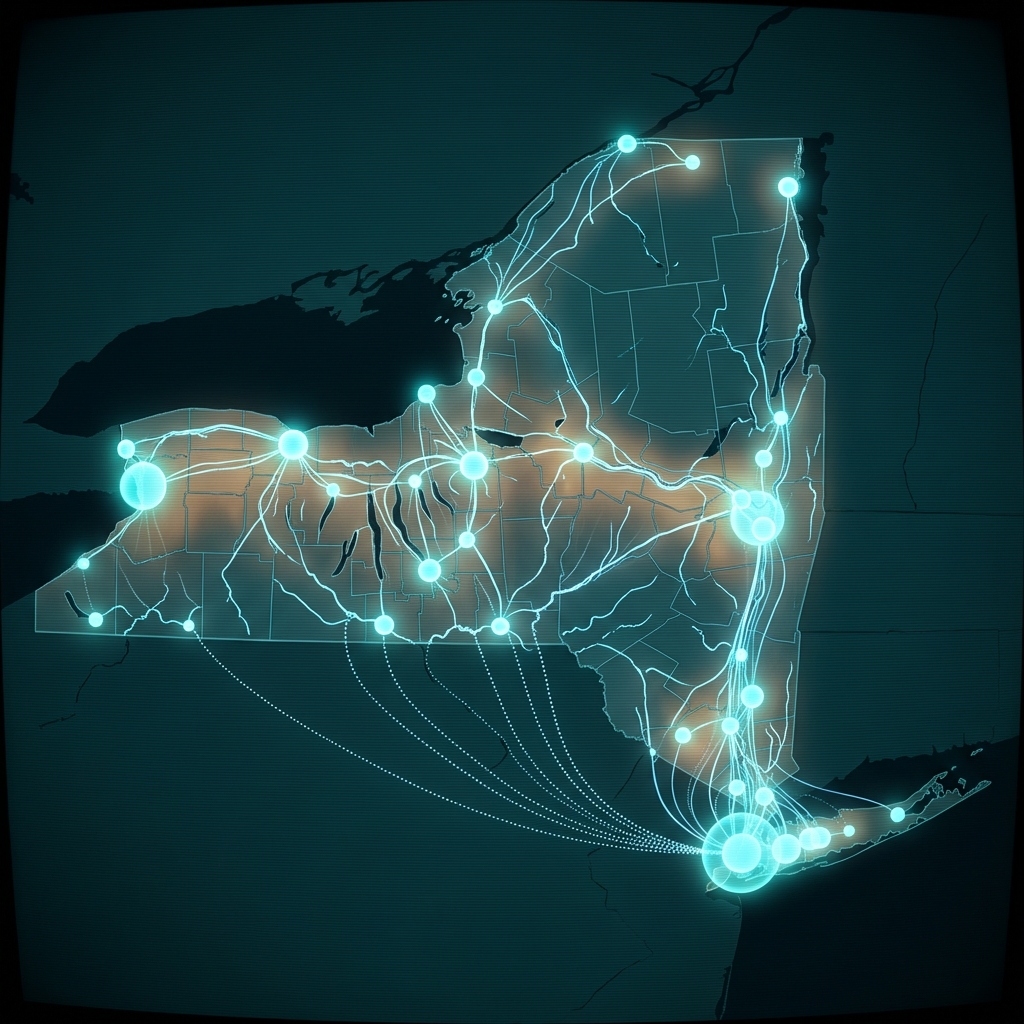 Water Withdrawals by Facility (2009-Present)State of New York
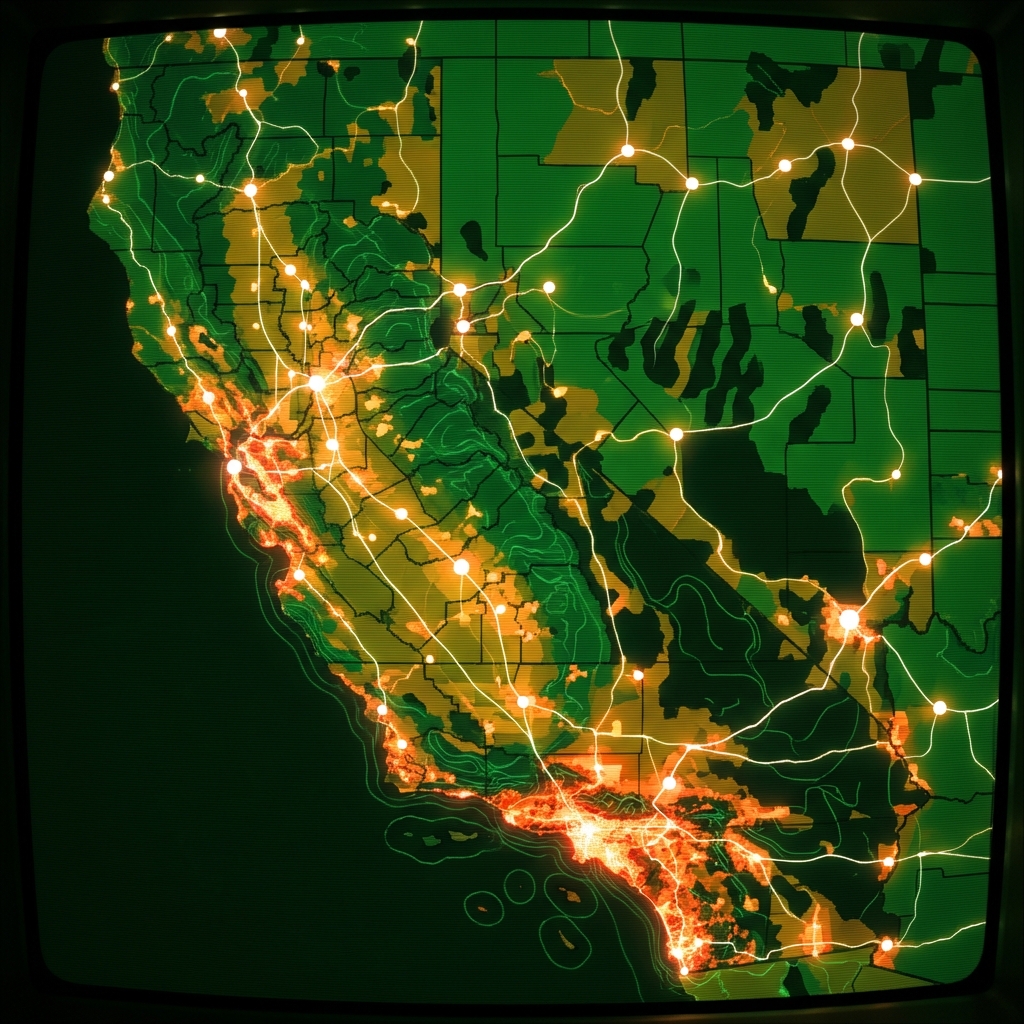 Draft Terrestrial Landscape Intactness for 2026-2027 Integrated Resource PlanState of California
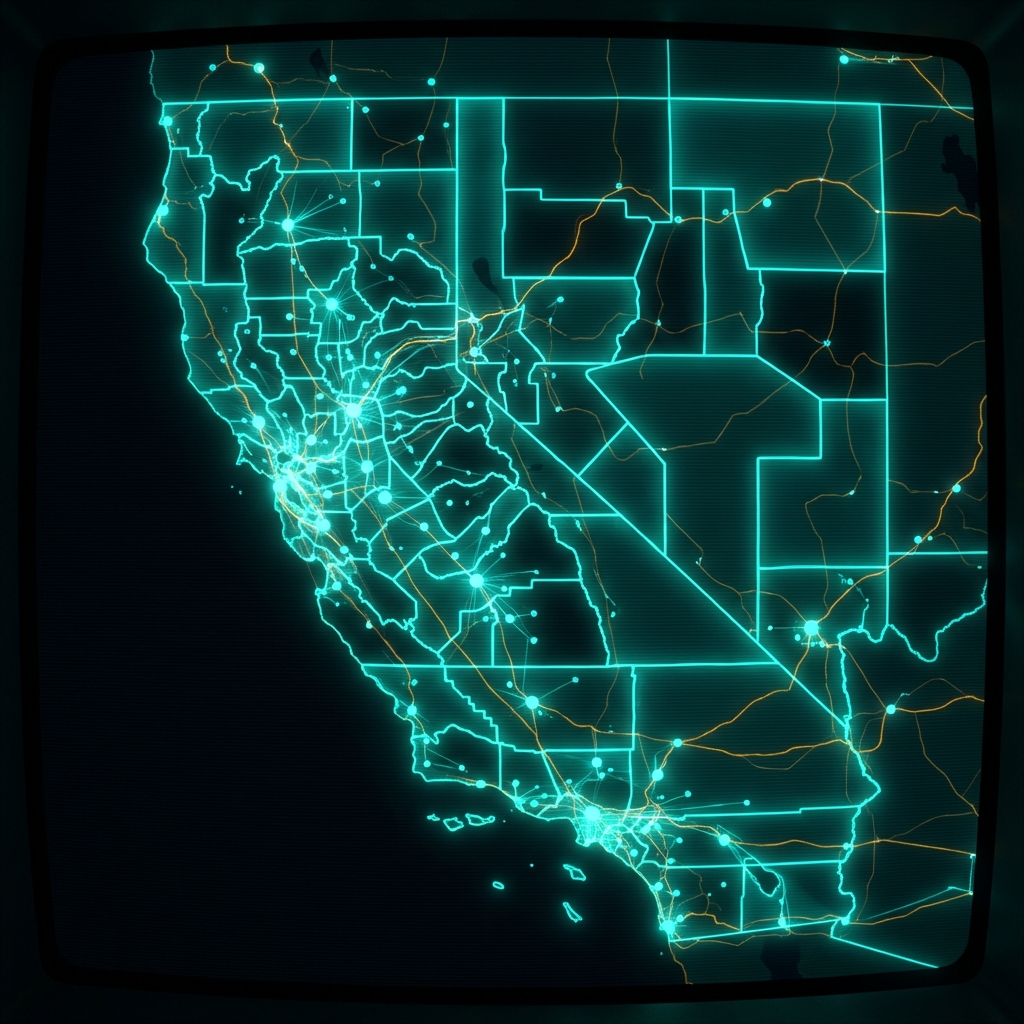 Electric Load Serving EntitiesState of California
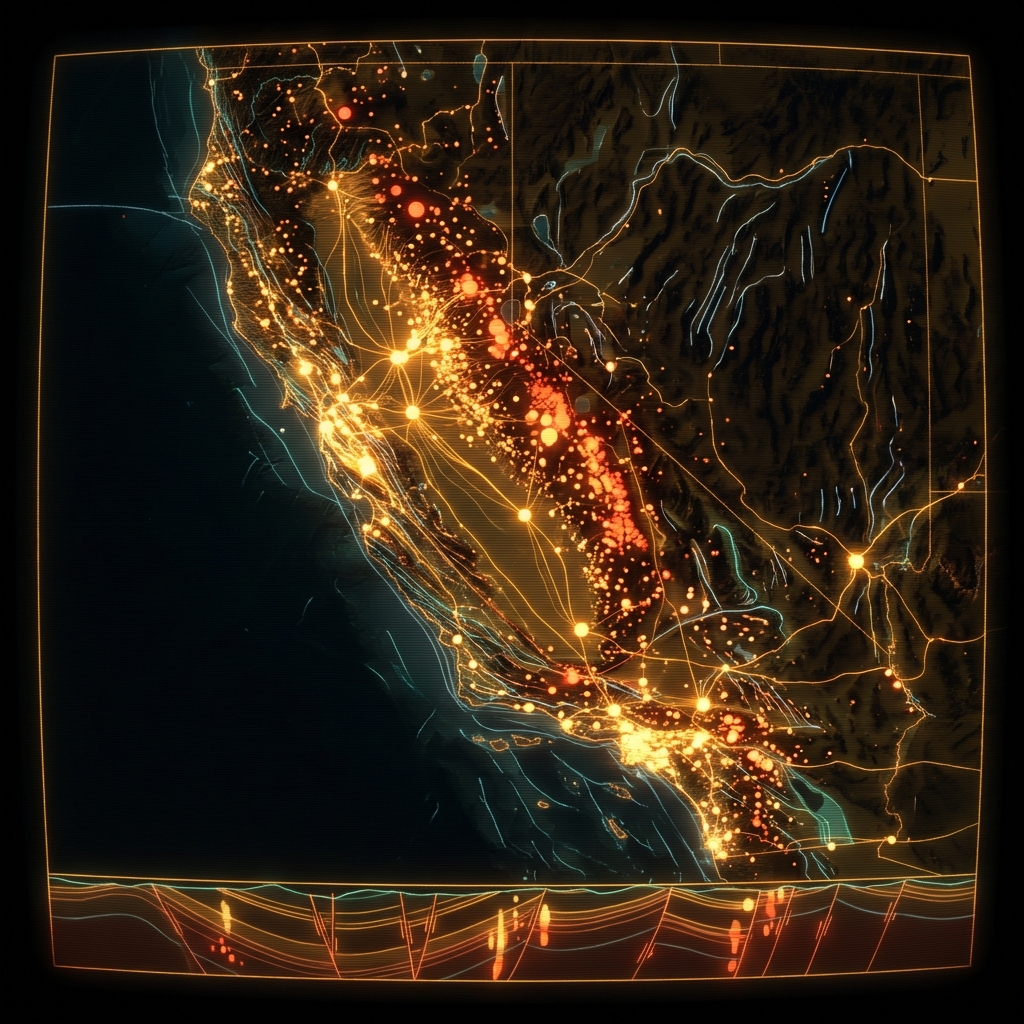 Mines (Division of Mining and Reclamation)State of California
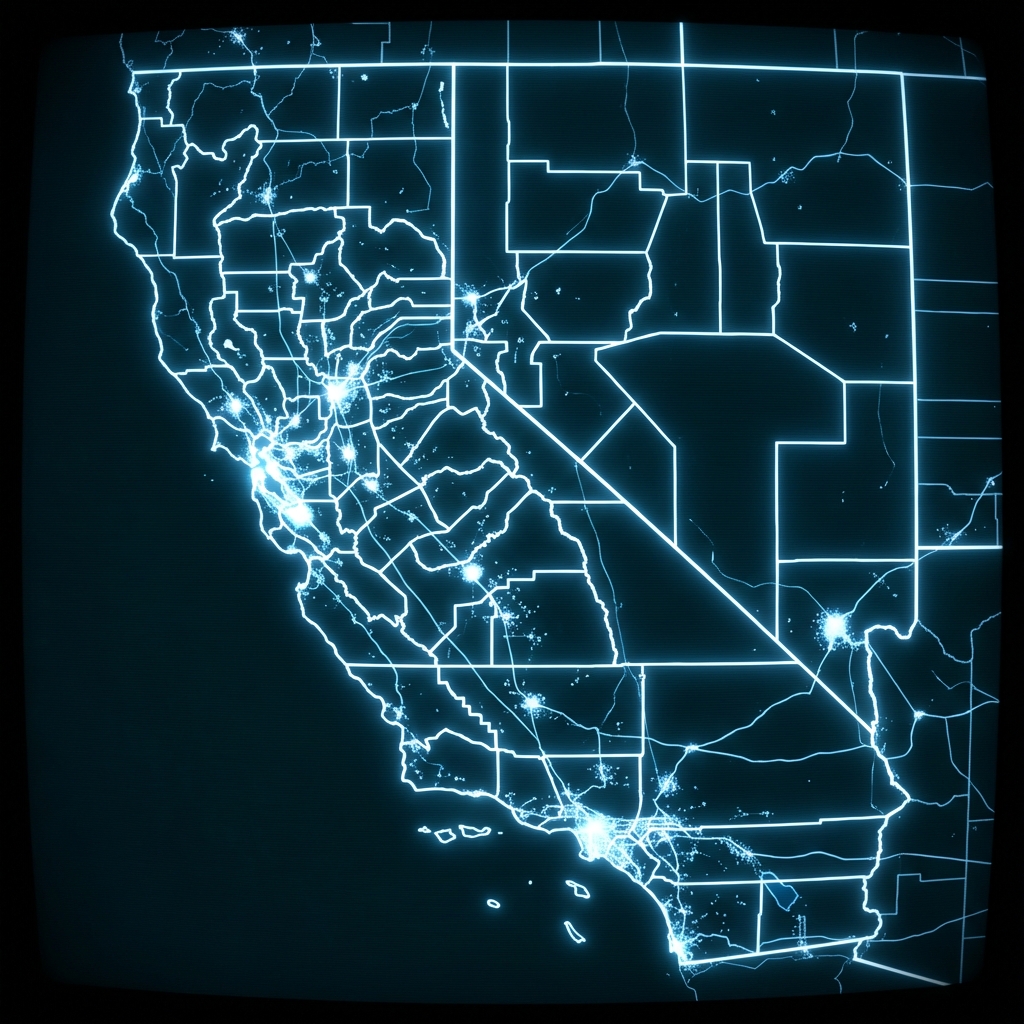 Electric Load Serving Entities (Investor-Owned and Publicly-Owned Utilities)State of California
 Chinook Salmon Abundance by Linear FeaturesState of California
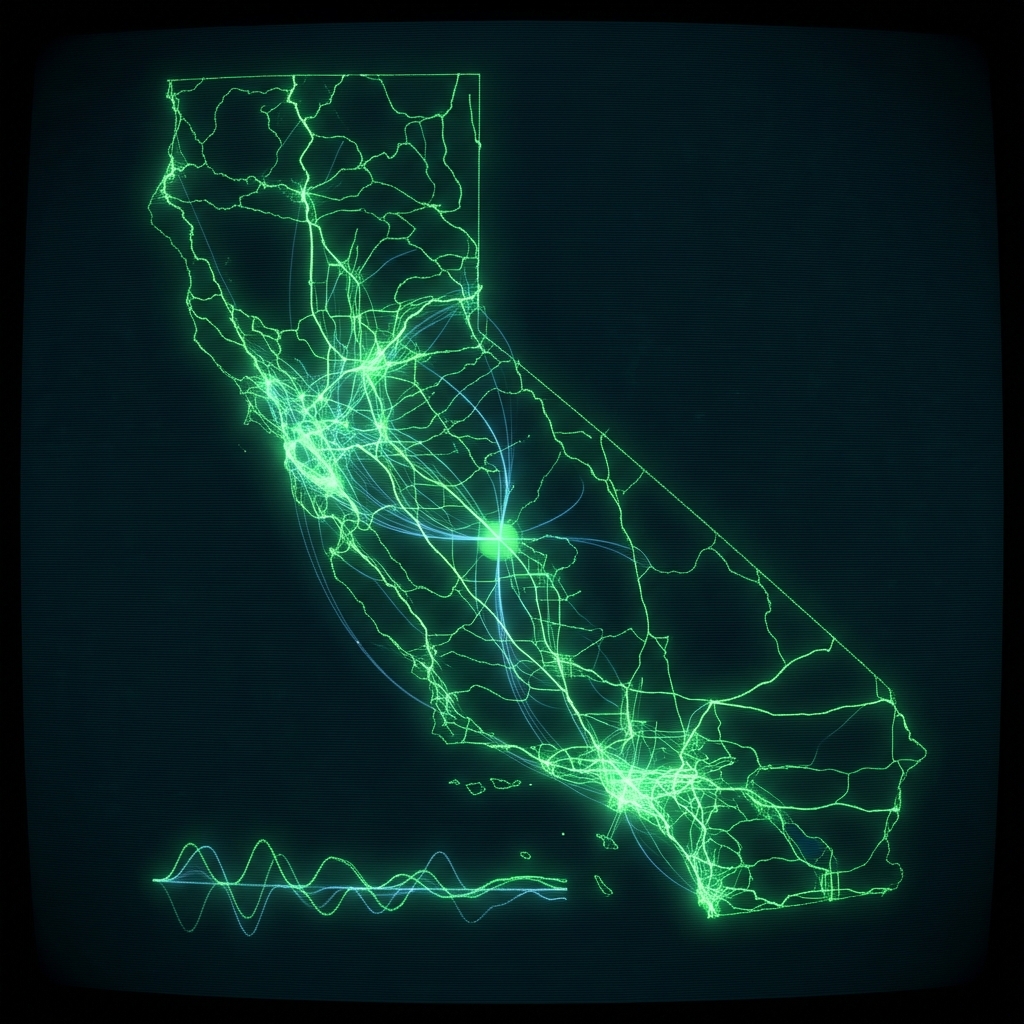 California Integrated Travel Project GTFS Ingest PipelineState of California
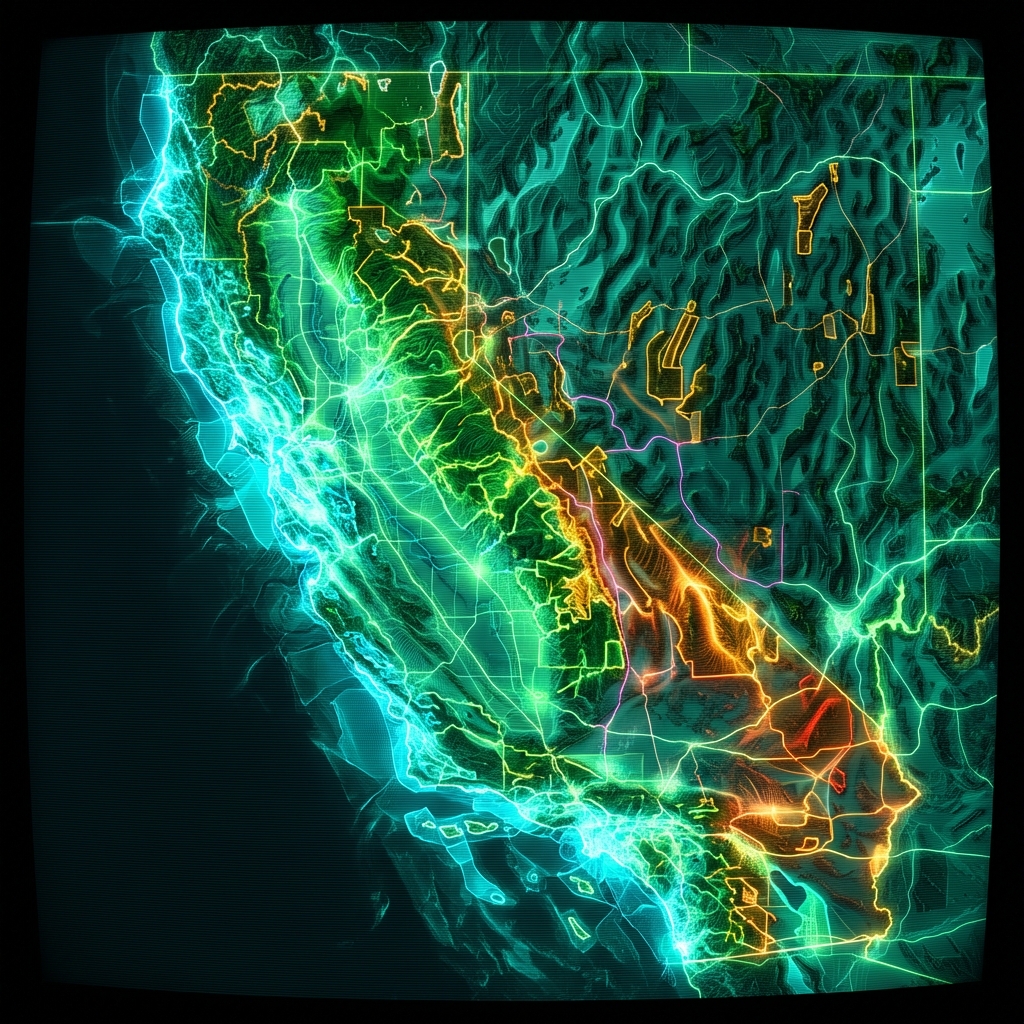 30x30 Conserved Areas, TerrestrialState of California
 Health Professional Shortage Areas in CaliforniaState of California
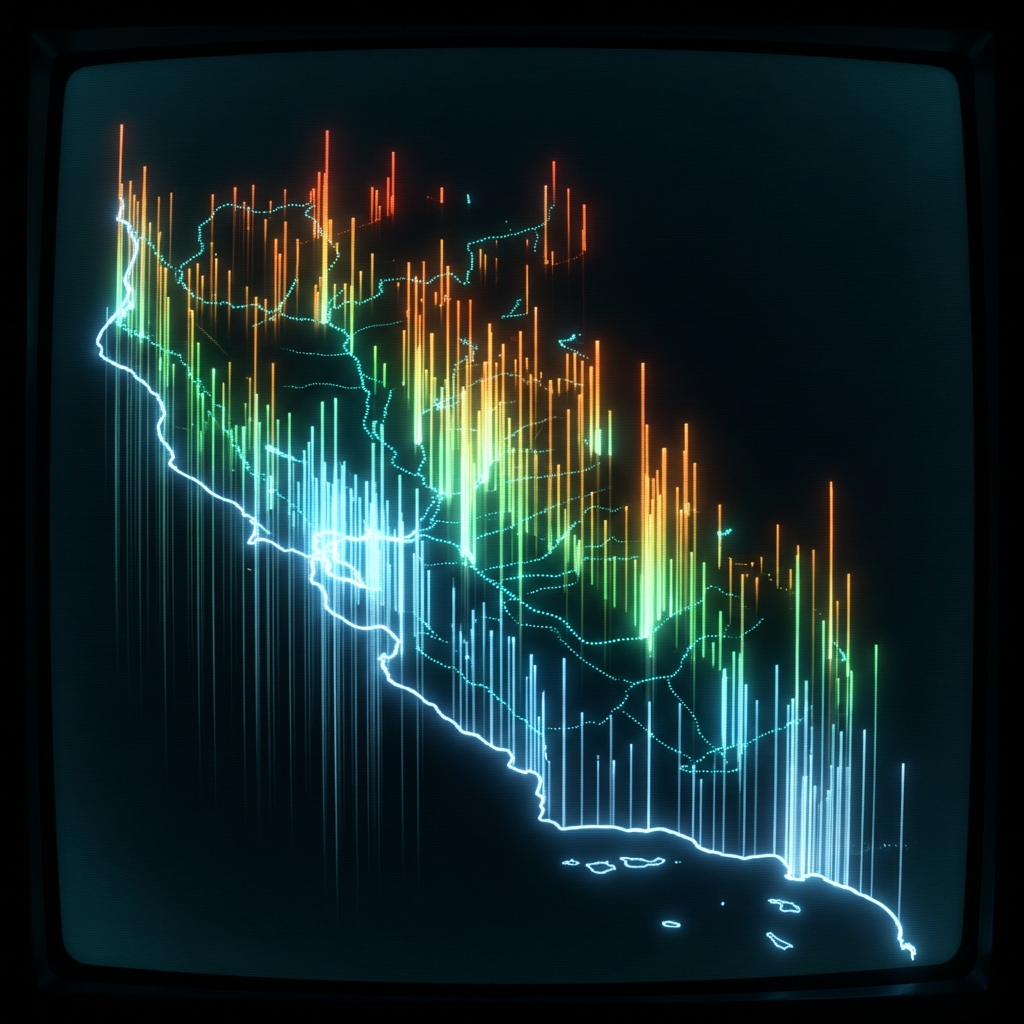 Chinook Salmon Abundance by Point FeaturesState of California
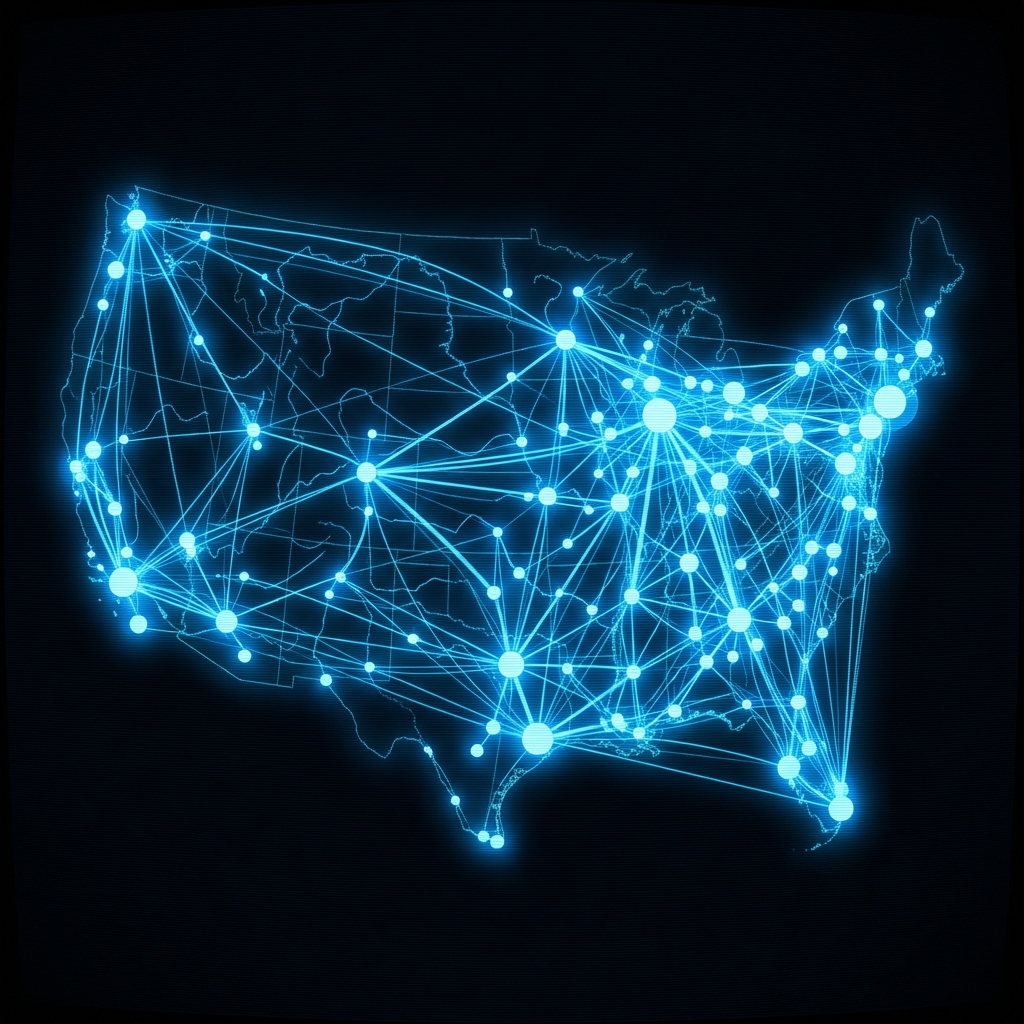 Major U.S. Fuel Cycle Facility SitesNuclear Regulatory Commission
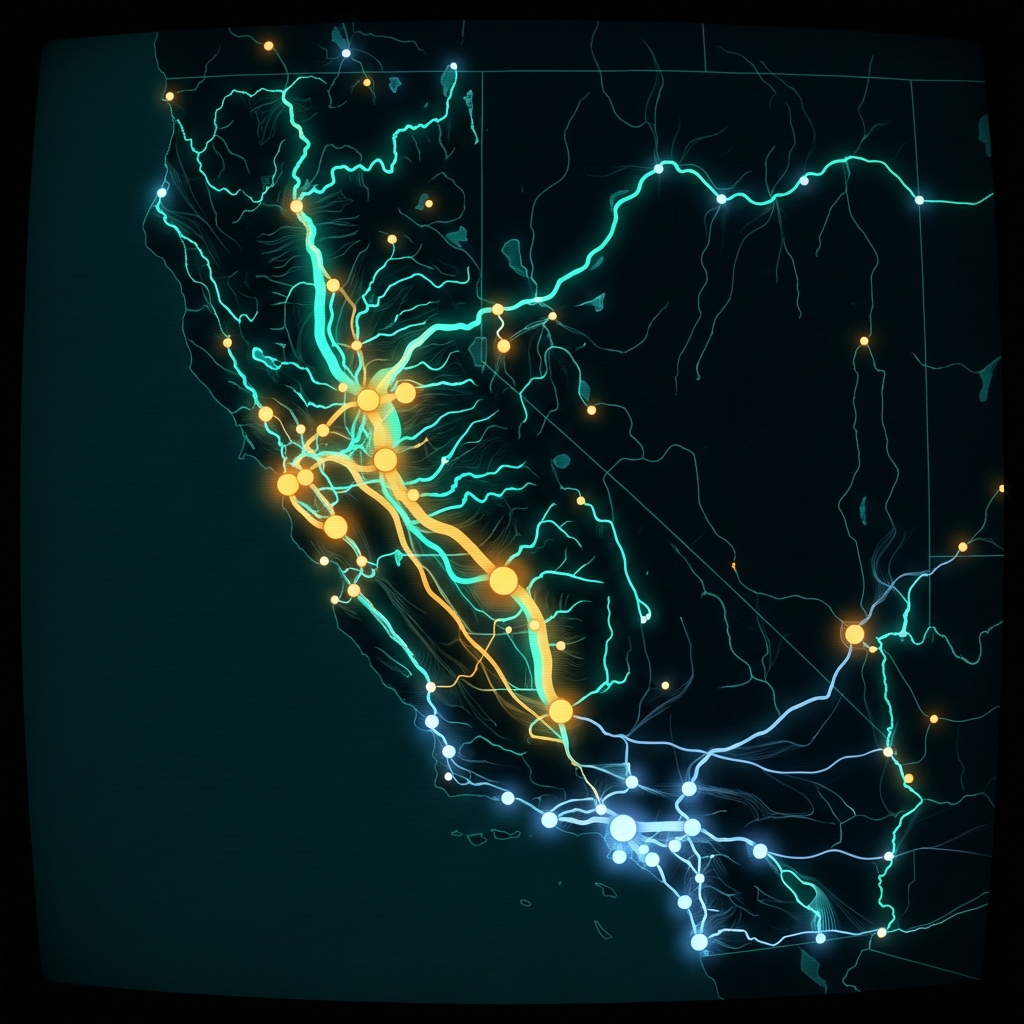 Water Rights Annual ReportsState of California
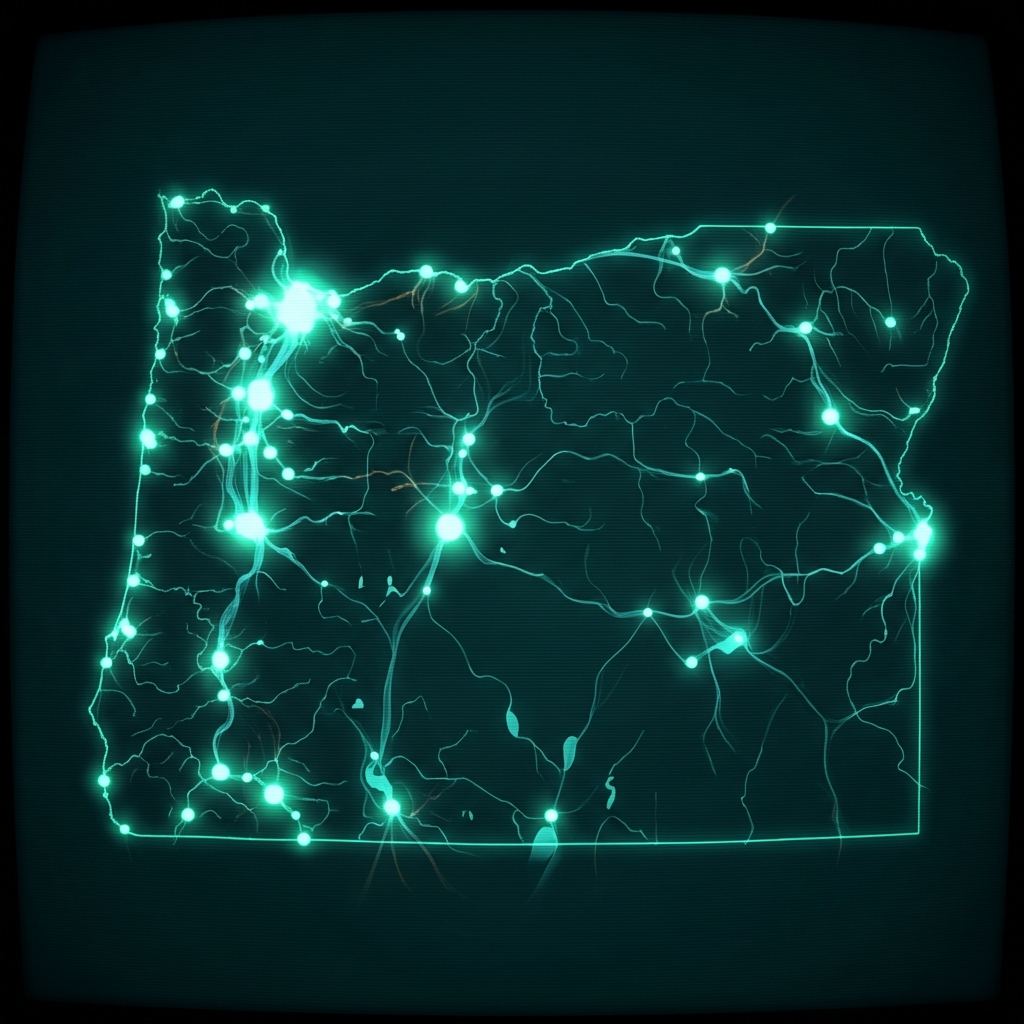 Places of Use - FishState of Oregon
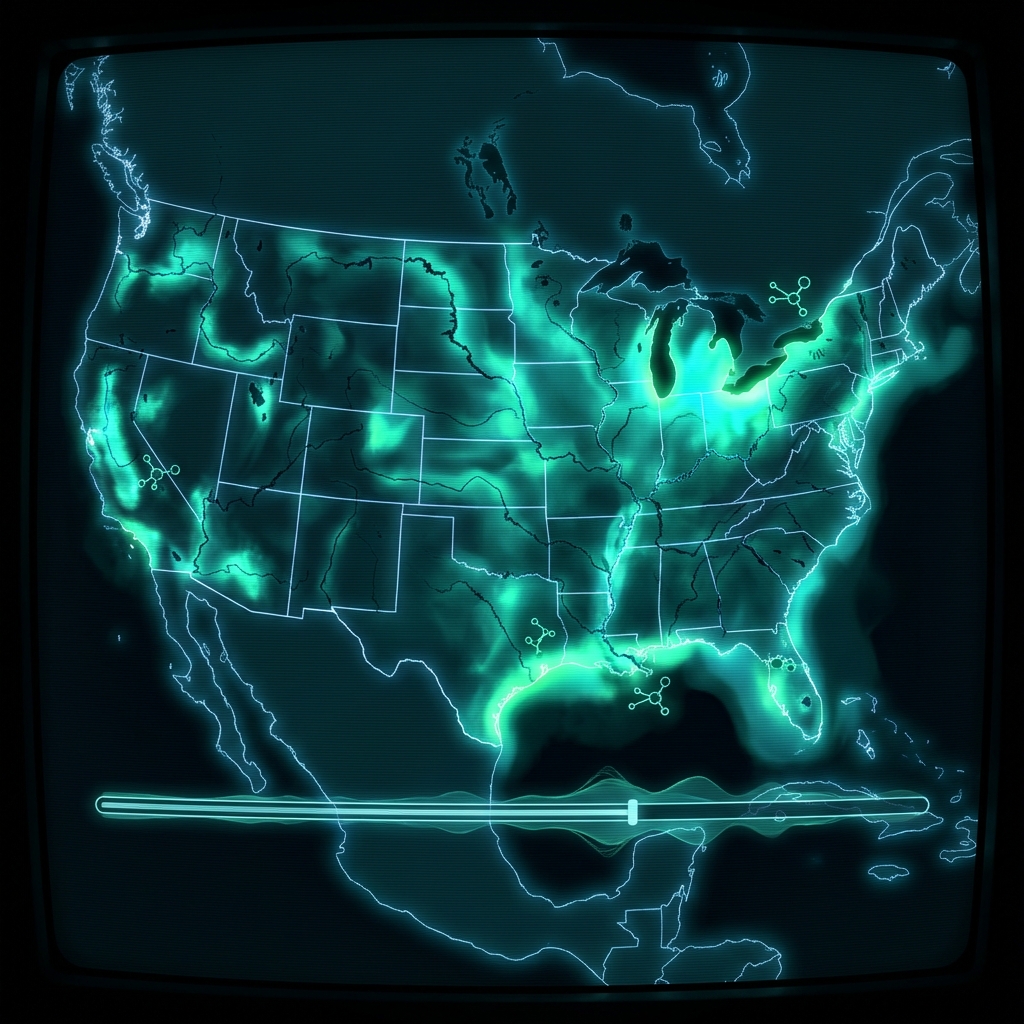 Contiguous U.S. Cyanobacteria ExtentU.S. Environmental Protection Agency
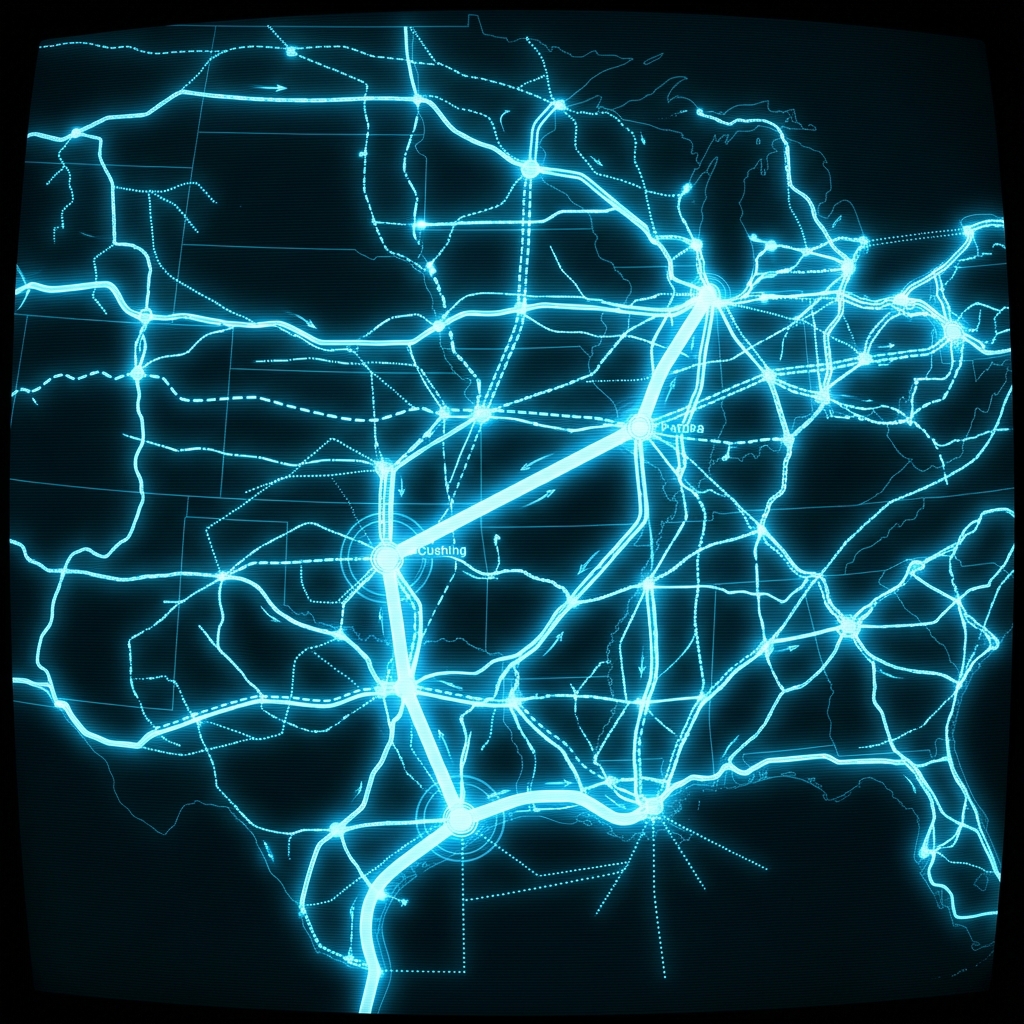 Liquids Pipeline ProjectsDepartment of Energy
 Toxics Release InventoryU.S. Environmental Protection Agency
 EPA Integrated Compliance Information System: Air FacilitiesU.S. Environmental Protection Agency